
Kashi Through Time: Where Eternity Learns to Evolve
-
Humans of kashi / 3 weeks

- 0
- 4 min read
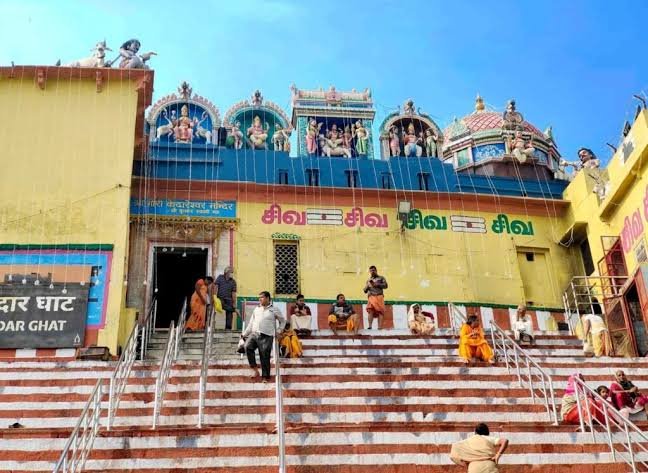
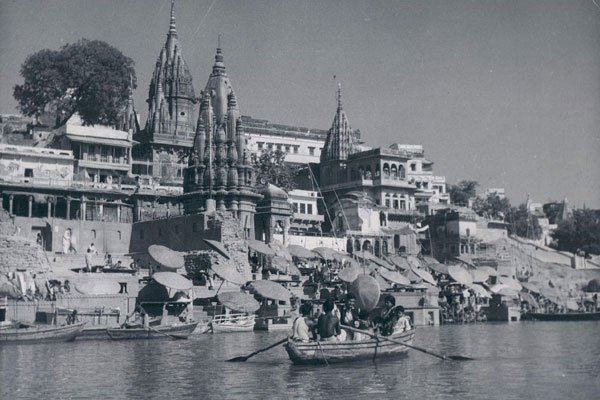
Kashi is not a city bound by timelines. It is often described as shashwat – eternal – existing beyond the rise and fall of empires, beyond recorded history and inherited tradition. And yet, Kashi is not frozen in the past. It lives, breathes, adapts and renews itself with every generation. What makes Kashi unique is this rare balance, where ancient wisdom flows effortlessly alongside modern aspirations. It is a city where the past does not resist change and progress does not erase memory. The Spiritual Confluence of Civilisations Kashi is one of the few cities in the world where multiple spiritual streams converge naturally. Rooted deeply in the Vedic–Puranic tradition, it is believed to be the eternal abode of Lord Shiva, the deity of benediction and transformation. Alongside Shiva, the presence of Vishnu, Shakti, Surya and Ganesh manifests through countless temples, festivals, rituals and lived traditions. At the same time, Kashi also holds a foundational place in the birth of Buddhism and Jainism. Just a short distance away, at Sarnath, Buddha delivered his first sermon, teaching the Four Noble Truths, giving the world a new path rooted in compassion and awareness. Jainism too found voice here through the teachings of the 23rd Tirthankar Parshwanath, who preached truth, non-violence, non-stealing and non-attachment. In Kashi, these philosophies do not compete. They coexist layered, respected and alive. A Decade of Transformation with Continuity Between 2014 and 2025, Varanasi witnessed one of the most significant phases of transformation in its long history. Under the leadership of Prime Minister Narendra Modi and the execution by Chief Minister Yogi Adityanath, the challenge was clear: modernise without disrupting Kashi’s soul. Infrastructure development reshaped connectivity with better roads, bridges, flyovers, railway upgrades, improved airport access and high-speed trains strengthened links with the rest of the country. Yet, care was taken to ensure that the city’s spiritual and cultural rhythm remained undisturbed. Traditional livelihoods such as Banarasi silk weaving, handicrafts, woodcraft, terracotta and brassware received renewed focus, empowering artisans financially while preserving generational skills. Several of these crafts earned Geographical Indication (GI) tags, reinforcing Kashi’s identity in global markets. Healthcare and wellbeing also saw notable expansion, with institutions such as the Mahamana Pandit Madan Mohan Malaviya Cancer Centre, eye hospitals, upgraded medical facilities and wellness-focused initiatives contributing to a stronger social infrastructure. Reimagining Tourism, Preserving Heritage Tourism in Kashi evolved thoughtfully. Projects like river cruises on the Ganga, ropeway connectivity and over 50 Smart City initiatives aimed to improve visitor experience while reducing pressure on the old city. A significant cultural effort was the installation of authentic signages across 87 Ganga ghats, narrating their historical and cultural significance for pilgrims and travellers alike. The creation of Namo Ghat opened new possibilities for cultural gatherings along the river, hosting festivals like Ganga Mahotsava in the embrace of Maa Ganga herself. The Kashi Vishwanath Corridor emerged as a defining moment, reconnecting the temple with the river and revealing dozens of ancient temples hidden over time. This project reaffirmed the idea of Shiva as Gangadhar, bringing the Ganga closer to Vishwanath and the devotee closer to both. A Global City with an Ancient Heart Kashi today is also a platform for global dialogue and cultural exchange. Events like Kashi Tamil and Telugu Sangamam, international summits and conventions hosted at the Rudraksh International Convention Centre have positioned the city on the world stage without diluting its essence. Even as stadiums expand, educational institutions grow and tourism flourishes, the core of Kashi remains unchanged its lanes, ghats, food, dialect, rituals and deep-rooted spiritual harmony. The City That Moves Forward Without Forgetting Kashi’s transformation proves a powerful truth: progress does not require erasure. A city can evolve while staying rooted. It can welcome the future without abandoning its past. In Kashi, eternity does not resist change; it guides it.