

Panchkoshi Yatra: Walking the Sacred Circle of Kashi’s Eternal Soul
-
Humans of kashi / 2 weeks

- 0
- 4 min read
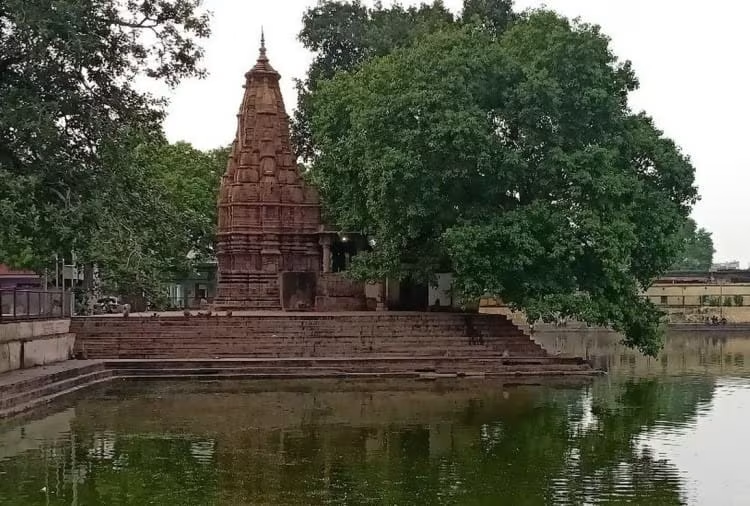
Kashi is not just a city you visit – it is a living, breathing spiritual landscape that is meant to be experienced. Among its many sacred traditions, the Panchkoshi Yatra stands apart as one of the most profound pilgrimages in Hindu culture. This ancient walk is not about reaching a destination; it is about becoming part of Kashi itself. What Is Panchkoshi Yatra? The Panchkoshi Yatra, also known as Panchkoshi Parikrama is a sacred circumambulation of the spiritual territory of Kashi. The word Panchkoshi means “five kos” and the yatra covers a vast circular route of approximately 80-88 kilometres around Varanasi. Traditionally completed in five days, the journey begins and ends at Manikarnika Ghat, the eternal cremation ground symbolizing liberation (moksha). This sacred circuit marks the mythical boundary of Kashi, the land believed to be personally protected by Lord Shiva. Walking this route is considered equivalent to walking through the very body of the city, where every step carries spiritual merit. The Spiritual Meaning Behind the Walk Panchkoshi Yatra is deeply rooted in Shaiva philosophy. According to tradition, Lord Shiva himself defined this sacred territory and installed protective Shiva lingas along the route. Pilgrims visit over 100 shrines, most of them dedicated to Shiva during the parikrama. Unlike fast-paced pilgrimages, Panchkoshi Yatra emphasizes slow and mindful walking. Devotees believe that walking the entire circuit helps shed karmic burdens accumulated over lifetimes. The journey is also symbolic of life itself moving through forests, villages, temples, silence, fatigue, devotion and faith all at once. The Traditional Route and Sacred Halts The yatra is traditionally completed in five stages with night halts at key sacred points: • Manikarnika Ghat • Kardameshwar • Bhimchandi • Rameshwar • Shivpur Each halt is associated with ancient temples, local legends and rituals. Devotees often sleep on temple grounds or simple dharmshala’s, embracing austerity as part of the spiritual discipline. Why Do People Still Walk Panchkoshi Yatra? In an age of convenience and speed, the Panchkoshi Yatra remains a walking pilgrimage and that is its greatest power. People undertake this yatra for many reasons: seeking spiritual clarity, fulfilling vows, honoring ancestors, or simply surrendering to faith. Many believe that completing the yatra grants the same merit as living in Kashi for years. Others walk it to experience humility, discipline and detachment. The physical effort strips away distractions and allow pilgrims to connect deeply with themselves and with Shiva. Panchkoshi Yatra in Today’s Time Even today, thousands undertake this yatra annually, especially during auspicious months. While modern facilities have improved like better roads, rest points and guidance, the essence remains unchanged. Pilgrims still walk barefoot or with minimal support, chanting Shiva’s name and trusting the path. Interestingly, Panchkoshi Yatra is not limited to saints or the elderly. Families, young seekers and first-time pilgrims walk together, turning the journey into a shared spiritual experience. Walking Kashi, Step by Step Panchkoshi Yatra teaches that Kashi is not confined to ghats or temples, it extends far beyond into fields, villages and forgotten shrines. Walking this sacred circle is like tracing the eternal outline of Shiva’s city. Those who complete the Panchkoshi Yatra often say the same thing: you return physically, but something within you stays transformed. In Kashi, walking itself becomes worship and every step becomes a prayer.