

Kashi Through the Ages: The Eternal City That Refuses to Fade
-
Humans of kashi / 2 weeks

- 0
- 2 min read
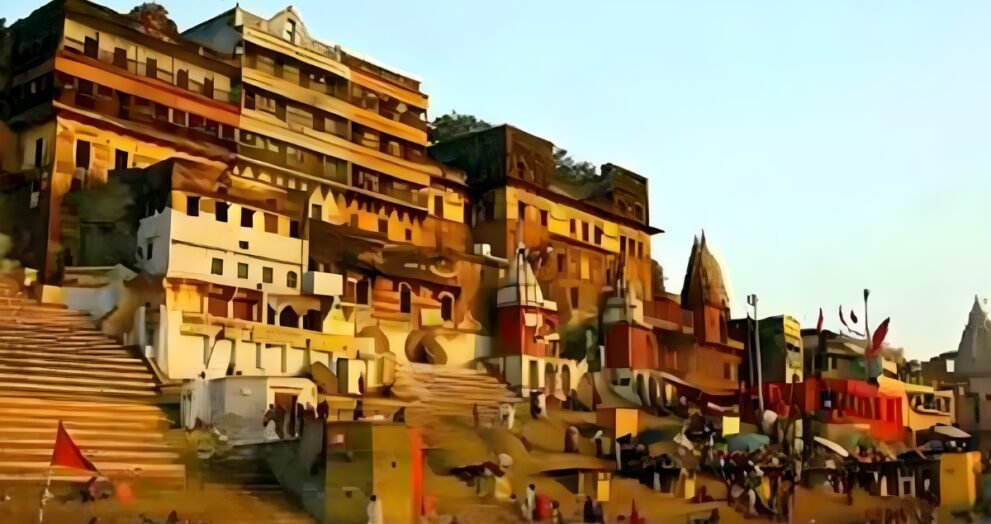
“Older than history, older than tradition, older even than legend and looks twice as old as all of them put together.” – Mark Twain This is Kashi — Varanasi — Banaras, the city where time stands still yet flows like the Ganga. From its mention in the Rigveda to its reverence in the Puranas, Kashi has always been described as the spiritual capital of India, a place where birth and death coexist peacefully. The city’s history stretches back over 3,000 years, making it one of the oldest continuously inhabited cities in the world. Ancient texts describe Kashi as Ananda Vanam, the forest of bliss. It has seen the rise and fall of empires — Mauryan, Gupta, Mughal, British but never lost its soul. The great reformer AdiShankaracharya revived Shaivism here. Saints like Kabir and Tulsidas walked its lanes, composing verses that still echo through the ghats. Even colonial explorers were drawn to its mysticism, calling it “a city of temples, where every stone is a shrine.” Today, while Kashi embraces modernity, new infrastructure, electric boats, a rejuvenated Kashi Vishwanath Corridor, its essence remains timeless. It has always been more than a spiritual hub. It is centre of learning, art, culture, poets and mystics throughout history. To walk through Kashi is to walk through history itself: every step a story, every temple a testament. Kashi’s glow has never dimmed, nor it will. Through the ages, it continues to shine as an eternal city, unbroken and profoundly alive.