
Varanasi | Humans of Kashi | Page 2
Shelter, Care & Hope for Stray Animals in Kashi

Himanshi’s Compassion: Shelter, Care & Hope for Stray Animals in Kashi

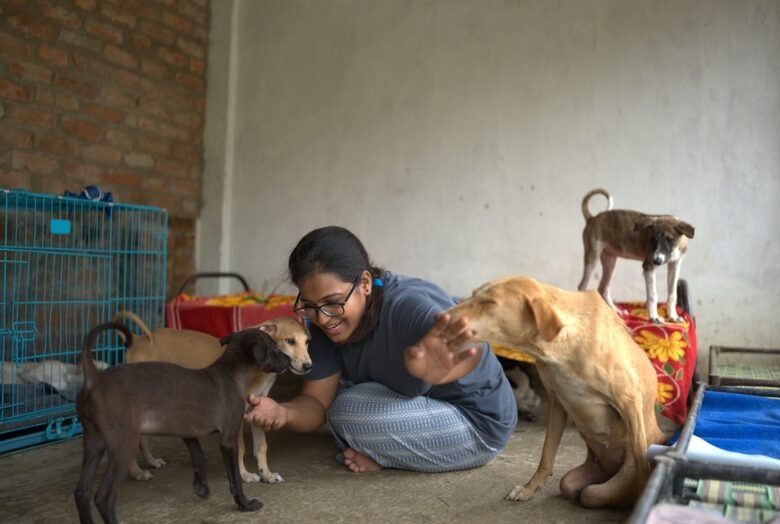
When others looked away from injured, abandoned or starving animals on the streets of Varanasi, Himanshi Pathak stopped and stayed. Five years ago, she founded Jeev Rakshak Animal Care Foundation, a shelter that has since become home to over 150 voiceless beings. From dogs hit by vehicles or abandoned on the streets, every rescue here begins with one call and a race against time. Himanshi and her team are feeding over 150 animals every single day, providing medical treatment to more than 50 strays and responding to emergency rescue calls. Her team of volunteers, though small is driven by the same compassion. “We can’t save everyone as the number of cases are increasing day by day and it’s becoming difficult for us to manage due to shortage of funds. I want to give them best care however, it’s expensive. We are trying our best, if you can come forward and support me, I can save more lives.” – Himanshi Pathak. But challenges persist rising medical costs, limited space and lack of funds. Still, her spirit doesn’t falter. Through community donations and awareness drives, she continues her mission. Impact: Her journey reminds us that service doesn’t always happen in temples sometimes; it’s found in a small shelter filled with wagging tails and second chances.
How Kashi is Healing Its Ghats

From Discarded Clothes to Eco Bags: How Kashi is Healing Its Ghats

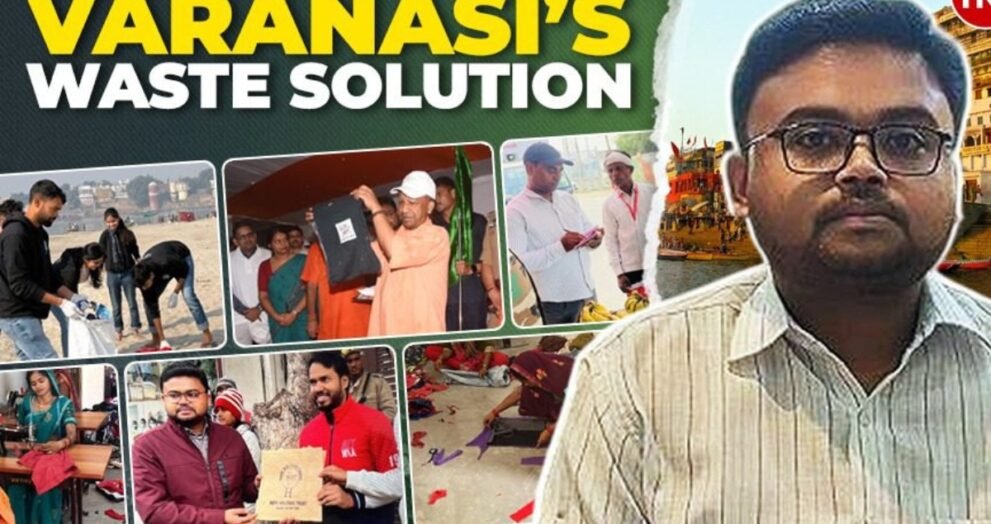
In the sacred city of Varanasi, where devotion meets the Ganga every single day through offerings, rituals and countless prayers. But beneath the beauty of the ghats lies an unnoticed challenge: the heaps of discarded clothes and fabrics left behind by devotees after rituals. When IAS officer Akshat Verma was posted in Varanasi, he noticed that these discarded clothes which was once part of someone’s faith now ended up polluting the river or piling up along the steps of the ghats. Instead of treating it as mere waste, he saw an opportunity for change. Through this Mission, he launched an initiative to collect, clean and repurpose these clothes. The fabrics were stitched into eco-friendly carry bags by women from local self-help groups. He teamed up with the Hope Welfare Foundation, their ‘Green Army’ helped the IAS officer set his plan into motion. “We wanted to make the ghats cleaner and empower local women at the same time,” he shared. Today, thousands of such bags are distributed to shopkeepers, replacing plastic and giving a second life to fabrics once left behind. Beyond the environmental benefit, the project has also become a livelihood source for dozens of women who now earn through stitching. These are not just bags they are stories of devotion, transformed into sustainability. Impact: As the Ganga flows endlessly, so does this circular journey from faith to fabric to future.

  • 1
  • 2