Blog | Humans of Kashi | Page 2
Keepers of the Sacred Fire at Kashi’s Eternal Ghats

Dom Community of Varanasi: Keepers of the Sacred Fire at Kashi’s Eternal Ghats

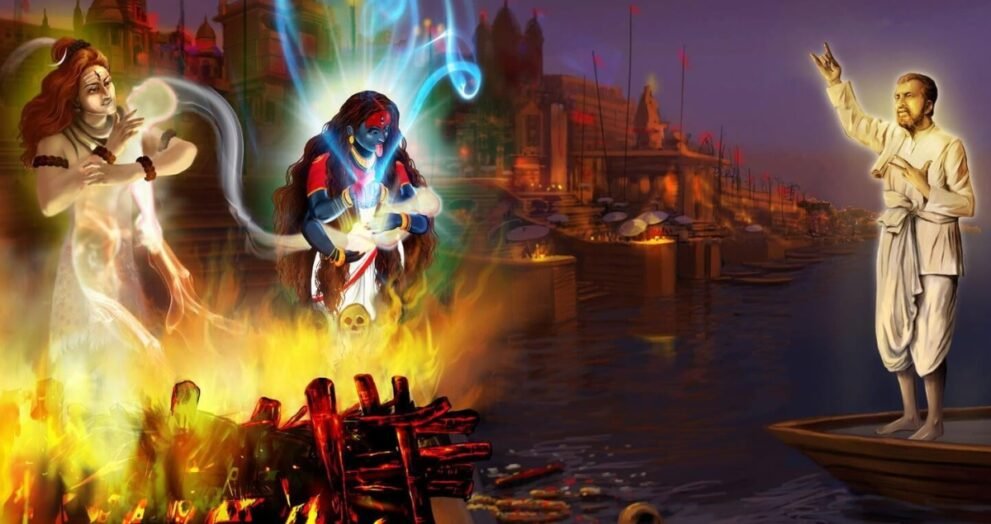
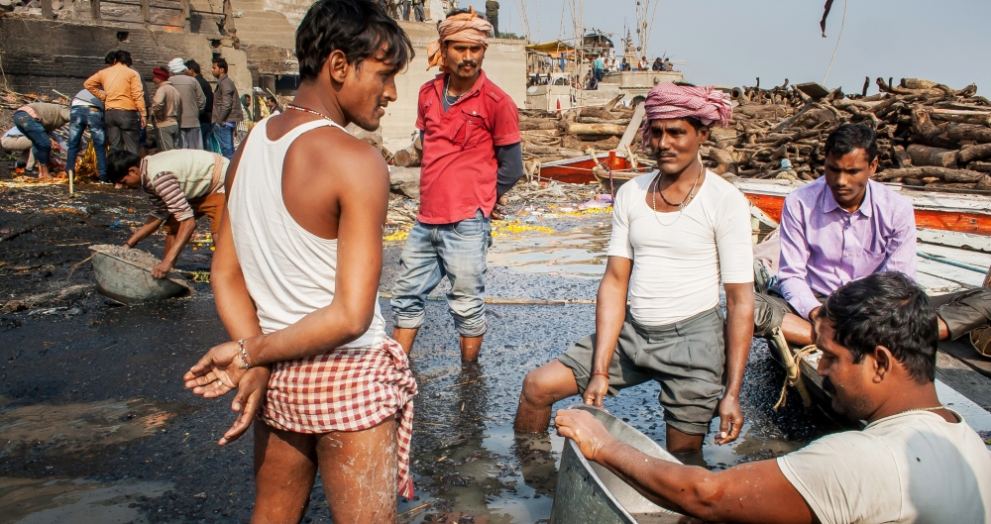
Varanasi, the spiritual heart of India is known for its temples, ghats, chants and the promise of moksha. Yet, behind the rituals of liberation stands a community whose role is indispensable to Kashi’s sacred rhythm the Dom community of Varanasi. For centuries, the Doms have carried the responsibility of tending the funeral pyres at Manikarnika Ghat and Harishchandra Ghat, ensuring that the ancient cycle of life and death continues uninterrupted. Who Are the Doms of Varanasi? The Dom community belongs to a Scheduled Caste group traditionally associated with cremation work in Hindu society. In Varanasi, their presence is deeply intertwined with religious belief. According to long-standing tradition, the sacred fire for cremation must be lit by a Dom without which the final rites are considered incomplete for attaining moksha. Despite their central spiritual role, the community has historically faced social stigma and exclusion. Ironically, those believed to help souls attain liberation often remain marginalized in everyday life. Life and Work at the Cremation Ghats Manikarnika Ghat regarded as the holiest cremation ground in Hinduism, funeral pyres burn day and night. The Doms manage every aspect of the cremation process: arranging wood, lighting pyres, maintaining the eternal flame and guiding grieving families through rituals. This work is physically demanding and emotionally taxing, exposing workers to intense heat, smoke and distressing sights on a daily basis. Most boys in Dom families are introduced to this occupation at a very young age, often learning the craft by observing elders rather than through formal training. For many, the profession is inherited, not chosen. The Invisible Lives of Dom Women While men work at the ghats, Dom women bear a different burden. Many live in poverty in settlements close to the cremation grounds, facing layered discrimination due to caste, gender and economic status. Reports highlight how Dom women struggle for basic healthcare, education and safety, while also managing households in harsh living conditions. Their labor whether emotional, domestic or often informal remains largely unseen, even though it sustains families tied to one of the most crucial rituals of Hindu society. Economics of Death and Survival Cremation in Varanasi also functions as an informal economy. The cost of wood, services and rituals is often negotiated and Doms earn modest incomes from this sacred labour. Despite being central to the religious economy of Kashi financial security remains elusive for most families. Modern interventions, such as electric crematoriums and policy reforms have sparked debate within the community. While these aim to reduce environmental impact, many Doms fear loss of livelihood and erosion of tradition. Change, Education and Hope In recent years, younger members of the Dom community have begun seeking education and alternative careers. Stories of Dom children pursuing schooling reflect a slow but meaningful shift, a desire to redefine identity beyond caste-assigned work. Social organizations, journalists and researchers have also begun documenting their lives more sensitively, encouraging dialogue around dignity, labour rights and social inclusion. Why the Dom Community Matters to Kashi The Dom community represents the profound paradox of Varanasi, a city where death is not an end but a transition. Their work sustains one of the oldest living spiritual traditions in the world. Without the Doms, Kashi’s promise of moksha would remain incomplete. Understanding their lives forces us to confront uncomfortable truths about caste, faith and inequality and reminds us that spirituality must walk hand in hand with humanity. Respect Beyond Ritual The Dom community of Varanasi are not merely cremation workers; they are custodians of Kashi’s eternal flame. As the city modernizes and the world watches Varanasi with awe, acknowledging the dignity, rights and lived realities of the Doms becomes not just necessary but sacred. In the city where death teaches liberation, perhaps it is time for society to learn compassion.
Walking the Sacred Circle of Kashi’s Eternal Soul

Panchkoshi Yatra: Walking the Sacred Circle of Kashi’s Eternal Soul

Kashi is not just a city you visit – it is a living, breathing spiritual landscape that is meant to be experienced. Among its many sacred traditions, the Panchkoshi Yatra stands apart as one of the most profound pilgrimages in Hindu culture. This ancient walk is not about reaching a destination; it is about becoming part of Kashi itself. What Is Panchkoshi Yatra? The Panchkoshi Yatra, also known as Panchkoshi Parikrama is a sacred circumambulation of the spiritual territory of Kashi. The word Panchkoshi means “five kos” and the yatra covers a vast circular route of approximately 80-88 kilometres around Varanasi. Traditionally completed in five days, the journey begins and ends at Manikarnika Ghat, the eternal cremation ground symbolizing liberation (moksha). This sacred circuit marks the mythical boundary of Kashi, the land believed to be personally protected by Lord Shiva. Walking this route is considered equivalent to walking through the very body of the city, where every step carries spiritual merit. The Spiritual Meaning Behind the Walk Panchkoshi Yatra is deeply rooted in Shaiva philosophy. According to tradition, Lord Shiva himself defined this sacred territory and installed protective Shiva lingas along the route. Pilgrims visit over 100 shrines, most of them dedicated to Shiva during the parikrama. Unlike fast-paced pilgrimages, Panchkoshi Yatra emphasizes slow and mindful walking. Devotees believe that walking the entire circuit helps shed karmic burdens accumulated over lifetimes. The journey is also symbolic of life itself moving through forests, villages, temples, silence, fatigue, devotion and faith all at once. The Traditional Route and Sacred Halts The yatra is traditionally completed in five stages with night halts at key sacred points:             •           Manikarnika Ghat             •           Kardameshwar             •           Bhimchandi             •           Rameshwar             •           Shivpur Each halt is associated with ancient temples, local legends and rituals. Devotees often sleep on temple grounds or simple dharmshala’s, embracing austerity as part of the spiritual discipline. Why Do People Still Walk Panchkoshi Yatra? In an age of convenience and speed, the Panchkoshi Yatra remains a walking pilgrimage and that is its greatest power. People undertake this yatra for many reasons: seeking spiritual clarity, fulfilling vows, honoring ancestors, or simply surrendering to faith. Many believe that completing the yatra grants the same merit as living in Kashi for years. Others walk it to experience humility, discipline and detachment. The physical effort strips away distractions and allow pilgrims to connect deeply with themselves and with Shiva. Panchkoshi Yatra in Today’s Time Even today, thousands undertake this yatra annually, especially during auspicious months. While modern facilities have improved like better roads, rest points and guidance, the essence remains unchanged. Pilgrims still walk barefoot or with minimal support, chanting Shiva’s name and trusting the path. Interestingly, Panchkoshi Yatra is not limited to saints or the elderly. Families, young seekers and first-time pilgrims walk together, turning the journey into a shared spiritual experience. Walking Kashi, Step by Step Panchkoshi Yatra teaches that Kashi is not confined to ghats or temples, it extends far beyond into fields, villages and forgotten shrines. Walking this sacred circle is like tracing the eternal outline of Shiva’s city. Those who complete the Panchkoshi Yatra often say the same thing: you return physically, but something within you stays transformed. In Kashi, walking itself becomes worship and every step becomes a prayer.

Kashi Through Time

Kashi Through Time: Where Eternity Learns to Evolve

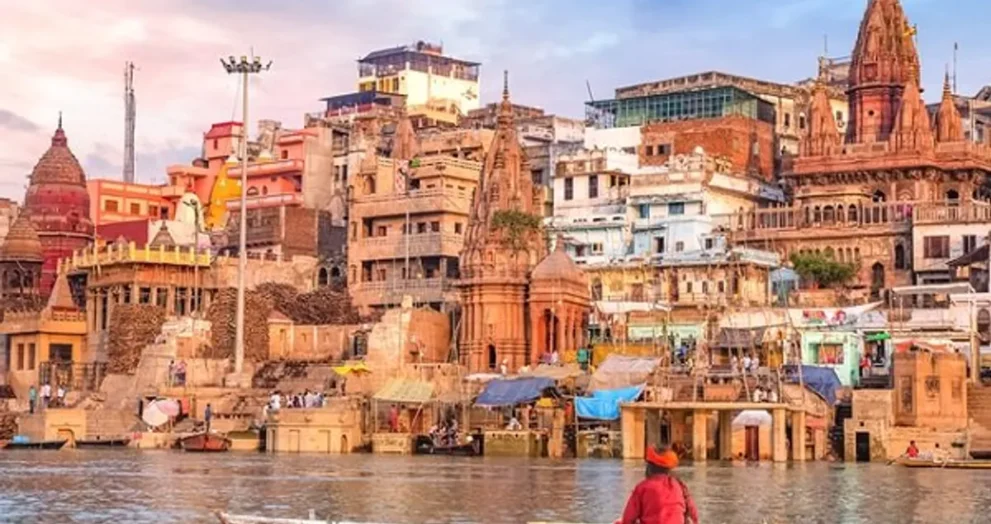
Kashi is not a city bound by timelines. It is often described as shashwat – eternal – existing beyond the rise and fall of empires, beyond recorded history and inherited tradition. And yet, Kashi is not frozen in the past. It lives, breathes, adapts and renews itself with every generation. What makes Kashi unique is this rare balance, where ancient wisdom flows effortlessly alongside modern aspirations. It is a city where the past does not resist change and progress does not erase memory.  The Spiritual Confluence of Civilisations Kashi is one of the few cities in the world where multiple spiritual streams converge naturally. Rooted deeply in the Vedic–Puranic tradition, it is believed to be the eternal abode of Lord Shiva, the deity of benediction and transformation. Alongside Shiva, the presence of Vishnu, Shakti, Surya and Ganesh manifests through countless temples, festivals, rituals and lived traditions. At the same time, Kashi also holds a foundational place in the birth of Buddhism and Jainism. Just a short distance away, at Sarnath, Buddha delivered his first sermon, teaching the Four Noble Truths, giving the world a new path rooted in compassion and awareness. Jainism too found voice here through the teachings of the 23rd Tirthankar Parshwanath, who preached truth, non-violence, non-stealing and non-attachment. In Kashi, these philosophies do not compete. They coexist layered, respected and alive. A Decade of Transformation with Continuity Between 2014 and 2025, Varanasi witnessed one of the most significant phases of transformation in its long history. Under the leadership of Prime Minister Narendra Modi and the execution by Chief Minister Yogi Adityanath, the challenge was clear: modernise without disrupting Kashi’s soul. Infrastructure development reshaped connectivity with better roads, bridges, flyovers, railway upgrades, improved airport access and high-speed trains strengthened links with the rest of the country. Yet, care was taken to ensure that the city’s spiritual and cultural rhythm remained undisturbed. Traditional livelihoods such as Banarasi silk weaving, handicrafts, woodcraft, terracotta and brassware received renewed focus, empowering artisans financially while preserving generational skills. Several of these crafts earned Geographical Indication (GI) tags, reinforcing Kashi’s identity in global markets. Healthcare and wellbeing also saw notable expansion, with institutions such as the Mahamana Pandit Madan Mohan Malaviya Cancer Centre, eye hospitals, upgraded medical facilities and wellness-focused initiatives contributing to a stronger social infrastructure. Reimagining Tourism, Preserving Heritage Tourism in Kashi evolved thoughtfully. Projects like river cruises on the Ganga, ropeway connectivity and over 50 Smart City initiatives aimed to improve visitor experience while reducing pressure on the old city. A significant cultural effort was the installation of authentic signages across 87 Ganga ghats, narrating their historical and cultural significance for pilgrims and travellers alike. The creation of Namo Ghat opened new possibilities for cultural gatherings along the river, hosting festivals like Ganga Mahotsava in the embrace of Maa Ganga herself. The Kashi Vishwanath Corridor emerged as a defining moment, reconnecting the temple with the river and revealing dozens of ancient temples hidden over time. This project reaffirmed the idea of Shiva as Gangadhar, bringing the Ganga closer to Vishwanath and the devotee closer to both. A Global City with an Ancient Heart Kashi today is also a platform for global dialogue and cultural exchange. Events like Kashi Tamil and Telugu Sangamam, international summits and conventions hosted at the Rudraksh International Convention Centre have positioned the city on the world stage without diluting its essence. Even as stadiums expand, educational institutions grow and tourism flourishes, the core of Kashi remains unchanged its lanes, ghats, food, dialect, rituals and deep-rooted spiritual harmony. The City That Moves Forward Without Forgetting Kashi’s transformation proves a powerful truth: progress does not require erasure. A city can evolve while staying rooted. It can welcome the future without abandoning its past. In Kashi, eternity does not resist change; it guides it.

Preserving the Sacred Legacy of Shiva-Shakti in Kashi

Shri Gauri Kedareshwar Temple — Preserving the Sacred Legacy of Shiva-Shakti in Kashi

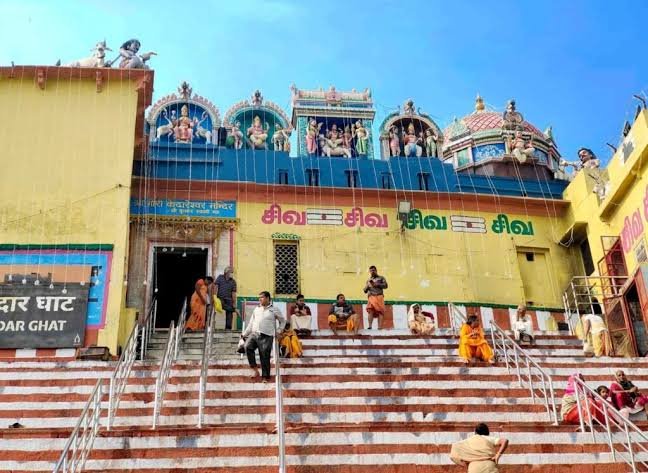
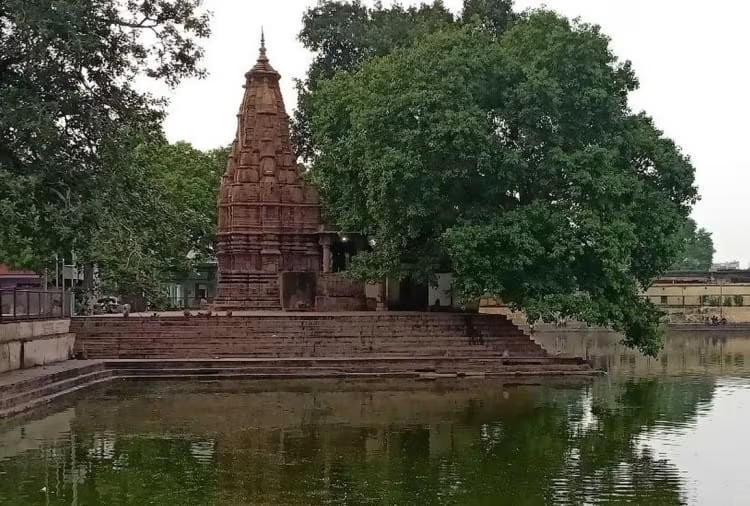
In the sacred lanes of Kashi, where every stone holds a story and every step echoes devotion, stands Shri Gauri Kedareshwar Temple. A shrine believed to carry the spiritual power of the Himalayas into the heart of Varanasi. For devotees, this temple is not just a stop on the yatra; it is a profound meeting point of penance, grace and liberation. It is said that the spiritual merit gained from visiting Kedareshwar in the Himalayas multiplies sevenfold when one offers darshan at Shri Gauri Kedareshwar in Kashi. This belief alone draws countless pilgrims, but the deeper stories rooted here make the temple truly timeless. The Legend of Maharaj Mandata’s Tapasya The origins of Shri Gauri Kedareshwar are deeply connected to Maharaj Mandata, an unwavering devotee of Lord Shiva. According to tradition, it was at this very spot that Maharaj Mandata performed intense tapasya, surrendering himself completely to Shiva and Parvati. Moved by his devotion, Shri Gauri Kedareshwar Ling manifested here. The appearance of the ling is not seen as a coincidence, but as a direct result of devotion tested by patience, discipline and faith. In Kashi, such stories are not remembered as myths, they are lived as truths. One of the most touching legends speaks of Maharaj Mandata preparing simple moong ki khichdi as an offering. Lord Shiva accepted this humble bhog and it is believed that the khichdi itself transformed upon the ling. This act reminds devotees that purity of intention matters more than grandeur of offering. Why Shri Gauri Kedareshwar Holds Special Significance Shri Gauri Kedareshwar is considered a Kedareshwar form of Lord Shiva, accompanied eternally by Goddess Parvati. Devotees believe that darshan here destroys sins accumulated over countless lifetimes and brings both spiritual and worldly peace. The temple is especially revered by those seeking liberation, inner strength and divine protection. Many pilgrims consciously include this shrine in their Kashi Yatra, believing it completes their spiritual circuit of the city. In a land where every temple holds meaning, Shri Gauri Kedareshwar stands out for its promise that sincere devotion here never goes unanswered. A Temple That Reflects Kashi’s Essence Architecturally modest yet spiritually powerful, the temple reflects Kashi’s true nature where faith is not displayed, but deeply felt. The atmosphere remains calm, devotional and grounded, allowing visitors to pause, pray and reflect. Chants of Om Namah Parvati Pataye, Har Har Mahadev echo softly here blending into the rhythm of daily life. Locals and pilgrims alike bow their heads here, carrying prayers whispered and unspoken. Why This Temple Must Be Part of Your Kashi Yatra Kashi is a city where journeys are incomplete without intention. Including Shri Gauri Kedareshwar Temple in your yatra is believed to multiply spiritual merit and deepen one’s connection with Shiva. Here, devotion is not hurried. It is offered quietly through folded hands, silent prayers and trust in the divine. Because in Kashi, temples are not just places you visit. They are experiences that stay with you.

A Living Palace, Not a Forgotten Ruin

Ramnagar Fort

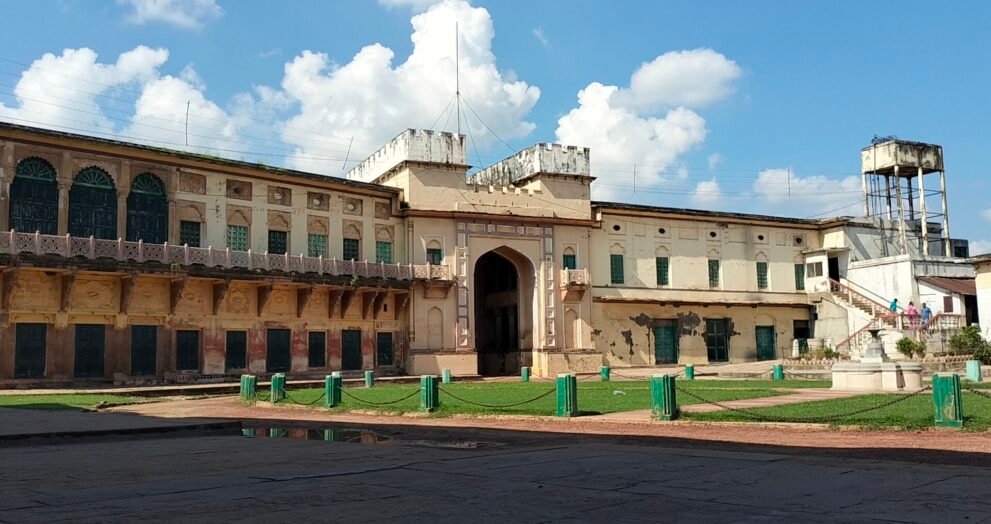
Across the Ganga, away from the crowded lanes and echoing bells of Varanasi, stands Ramnagar Fort – steady, watchful and timeless. Facing the ghats from the eastern bank this sandstone fort has witnessed centuries pass, yet it remains deeply rooted in the living rhythm of Kashi. Built in the 18th century by Maharaja Balwant Singh, Ramnagar Fort was never meant to dominate the city. Instead, it was designed to protect, observe and endure much like Kashi itself. A Living Palace, Not a Forgotten Ruin Unlike many historical forts frozen in time, Ramnagar Fort is still a lived-in space. The royal lineage of Kashi continues to reside here, making it one of the rare places where heritage remains part of everyday life. Its balconies overlook the river that has shaped the city’s destiny. Its courtyards have hosted ceremonies, processions and moments of quiet reflection. Walking through the fort feels less like visiting a monument and more like stepping into a memory that never left. Stories Preserved Within Its Walls Inside the fort lies the Saraswati Bhawan Museum, a modest yet powerful collection of objects that tell stories of royal life in Banaras. Vintage cars, palanquins, silk garments, ancient weapons, manuscripts and ivory work fill its halls. These are not displays of excess. They are reminders of journeys taken, battles fought, rituals performed and traditions upheld. Each artefact carries the weight of time, speaking softly of an era where faith, governance and culture walked together. Where Faith Becomes Theatre Ramnagar Fort transforms every year during the legendary Ramnagar Ramlila, a month-long retelling of the Ramayana that unfolds across the town itself. With no stage, no artificial lights and no modern effects, the performance relies on devotion, discipline and collective belief. Recognised by UNESCO as intangible cultural heritage, this tradition turns Ramnagar into a living epic where streets become scenes and faith becomes action. It is not watched; it is lived. The Fort and the River Seen from a boat at sunset, Ramnagar Fort rises quietly from the riverbank, its reflection dissolving into the Ganga. It neither calls out nor demands attention. And yet, it anchors the landscape reminding visitors that Kashi has always balanced spirituality with sovereignty. Why Ramnagar Fort Still Matters Ramnagar Fort is not about grandeur alone. It is about continuity. In a city where everything flows – life, death, faith, time, the fort stands firm holding space for memory. It tells us that Kashi’s story is not only written in temples and ghats, but also in walls that have learned to listen.

When Kashi Prays for Life and Blessings

Lolark Sasthi: When Kashi Prays for Life and Blessings

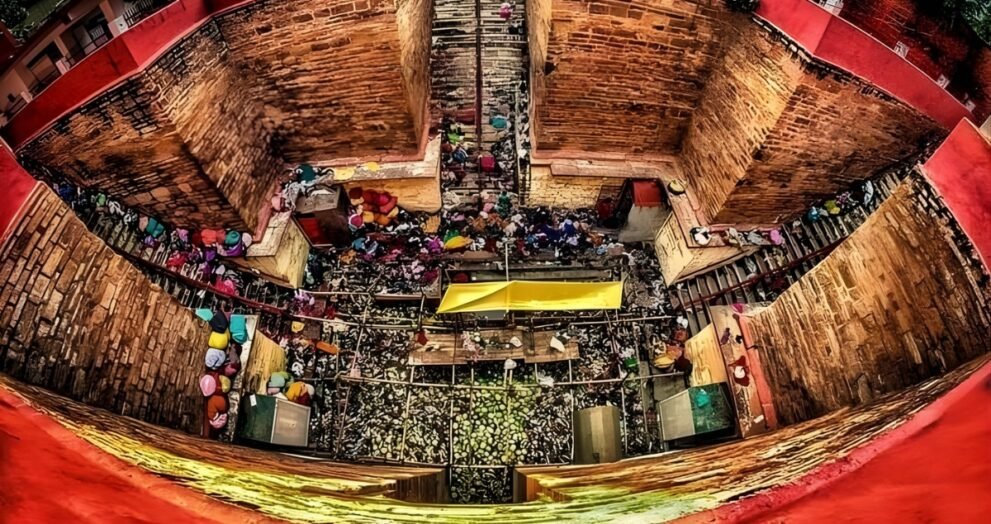
Every year, as dawn breaks over southern Varanasi, thousands of devotees gather at Lolark Kund, near Tulsi Ghat. It is dedicated to Lolarkeshwar Mahadev. This is the sacred Lolark Sasthi festival, where couples take a holy dip in the ancient pond to pray for children, health and prosperity. The tradition dates back centuries, the word Lolark means “trembling sun,” symbolizing fertility and renewal. Even the great sage Ved Vyas is said to have described the glory of this Kund and the deity enshrined here Aasha Purveshwar Mahadev, the fuller of wishes. The belief is that a dip here washes away sins and brings divine blessings from the Sun God and sincere prayers offered here never go unanswered. Women clad in yellow sarees offer fruits, bangles and clothes into the water, whispering prayers for their families. Locals recall countless stories of hope fulfilled and wishes answered. Days such as Chaturthi, Ekadashi, Sunday and Purnima hold special significance, drawing devotees from across India and even abroad. Every year, during the Lolark Sasthi Mela, the kund witnesses a divine spectacle of over 4 to 5 lakhs pilgrims gather to take a holy dip in its sacred waters, believing it blesses them with progeny, good health and prosperity. Even ailments such as leprosy and chronic skin diseases are believed to be cured by the divine grace of Mahadev. Amidst modern chaos, the festival continues to thrive a testament to the city’s enduring faith. Even young volunteers now help manage crowds, clean the surroundings and ensure the sacred pond remains preserved. Lolark Sasthi is more than a ritual, it’s Kashi’s living symbol of devotion, continuity and rebirth.

A Century of Healing and Humanity in Kashi

Ramakrishna Mission Home of Service: A Century of Healing and Humanity in Kashi

In the holy city where millions come seeking spiritual peace, there stands a place that offers physical healing with the same devotion — the Ramakrishna Mission Home of Service. Founded in 1900 by devotees of Swami Vivekananda, the Home of Service began humbly, a small initiative to care for a few ailing monks. But over the decades, it has grown into one of Varanasi’s most respected charitable hospitals, serving thousands of patients every year, regardless of caste, religion or background. It was established by three young men – Sri Charu Chandra Das, Sri kedar Nath Moulik and Sri Yamini Ranjan Majumdar, deeply influenced by the teachings of Swami Vivekanand. They envisioned a place where renunciation meets action, where selfless service becomes worship. Located near the ghats, the hospital embodies Vivekananda’s vision that “Service to man is service to God”, bringing medical care, relief, education and dignity to thousands who call Varanasi home and to those who come seeking solace. Doctors here treat everyone from sadhus to labourers, often free of charge or for a token fee. Its departments range from general medicine and surgery to homeopathy and mobile healthcare units that travel to rural parts of Varanasi district. During the COVID-19 pandemic, the Mission played a crucial role in distributing oxygen, medicines and food to affected families. More than a hospital, it’s a living example of how compassion can be organized into action quietly, consistently, and selflessly. But its efforts go far beyond the hospital walls. The Misson also conducts medical training, relief operations and outreach programs to reach the marginalized. Through Vivek Sanjivani, its telemedicine and mobile medical units extend healthcare even to remote areas. It stands as a gentle reminder that divinity is not only in temples and prayers, but also in caring hands, healing voices and open hearts.

Smart Heritage

Smart Heritage: How Kashi is Blending Technology with Tradition

The world calls it modernization. Kashi calls it balance. In recent years, Varanasi has become a symbol of how technology and tradition coexist. As part of the Smart City Mission, the ancient city is undergoing quiet transformations. Kashi is embracing modern technology while staying deeply rooted in its timeless traditions. The goal is not to change the character of the city but to enhance it to create a model city that balances modernisation with the heritage. This initiative focuses on improving quality of life through sustainable development, upgraded infrastructure and more accessible public spaces. Solar-powered streetlights now illuminate the ghats. Digital information kiosks guide tourists through temple trails. CCTV-monitored waste systems keep heritage areas clean. One of the most innovative efforts is the digital mapping of heritage structures, allowing conservationists to monitor temple foundations and ghat erosion in real-time. Redeveloped spaces like Namo Ghat blend spiritual serenity with world class facilities, offering clean water, resting areas and safe public amenities to pilgrims and locals alike. Even the Ganga Aarti is now streamed globally, connecting millions of devotees who can’t physically be there. Every project be it from infrastructure to citizen engagement, reflects a simple truth: Kashi is evolving but never forgetting where it came from.

Where Food and Faith Become One

Banaras: Where Food and Faith Become One

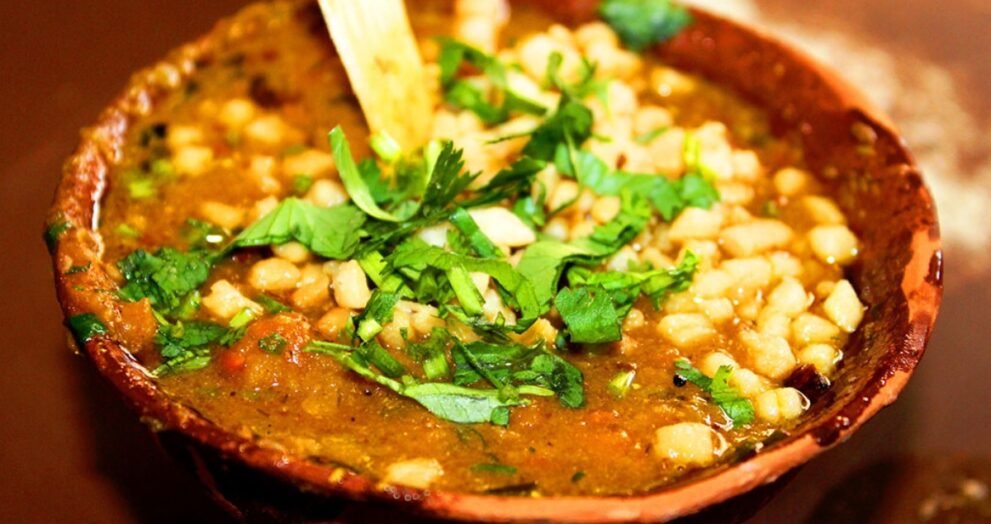
To taste Banaras is to taste devotion. Every corner of the city offers a story in a bowl, from the divine simplicity of Kachori Sabzi at Kachori Gali to the tangy Tamatar Chaat served steaming hot at Dashashwamedh Ghat or to the sweet Malaiyo that melts like morning mist. Here, food isn’t just about flavors; it’s about faith and feeling. Many dishes in Kashi have ritualistic roots Prasads offered in temples, langars during festivals and sweets made in honor of deities. Old families still follow secret recipes passed down for generations. Shops like Kashi Chaat Bhandar and Raja Halwai have become landmarks, where vendors greet you with a smile and stories that stretch back decades. And of course, the Banarasi Paan that seals every meal, fragrant with rose, gulkand and nostalgia. Every meal here connects people, pilgrims, locals and wanderers alike through shared moments of warmth and taste. In Banaras, food and faith are inseparable. Every meal is a celebration, every bite a blessing. The city teaches that the divine can be found not only in temples and rituals but also in the warmth of shared food and the joy of everyday life. Because in Banaras, to eat is to pray and to pray is to taste the eternal.

Kashi Through the Ages

Kashi Through the Ages: The Eternal City That Refuses to Fade

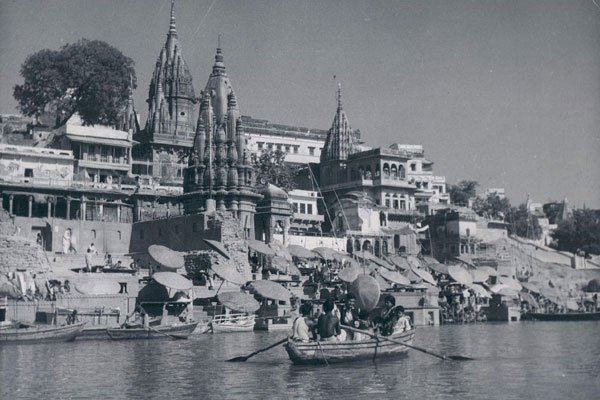
“Older than history, older than tradition, older even than legend and looks twice as old as all of them put together.” – Mark Twain This is Kashi — Varanasi — Banaras, the city where time stands still yet flows like the Ganga. From its mention in the Rigveda to its reverence in the Puranas, Kashi has always been described as the spiritual capital of India, a place where birth and death coexist peacefully. The city’s history stretches back over 3,000 years, making it one of the oldest continuously inhabited cities in the world. Ancient texts describe Kashi as Ananda Vanam, the forest of bliss. It has seen the rise and fall of empires — Mauryan, Gupta, Mughal, British but never lost its soul. The great reformer AdiShankaracharya revived Shaivism here. Saints like Kabir and Tulsidas walked its lanes, composing verses that still echo through the ghats. Even colonial explorers were drawn to its mysticism, calling it “a city of temples, where every stone is a shrine.” Today, while Kashi embraces modernity, new infrastructure, electric boats, a rejuvenated Kashi Vishwanath Corridor, its essence remains timeless. It has always been more than a spiritual hub. It is centre of learning, art, culture, poets and mystics throughout history. To walk through Kashi is to walk through history itself: every step a story, every temple a testament. Kashi’s glow has never dimmed, nor it will. Through the ages, it continues to shine as an eternal city, unbroken and profoundly alive.