Blog | Humans of Kashi | Page 3
If Peace Has a City

If Peace Has a City, It Must Be Kashi

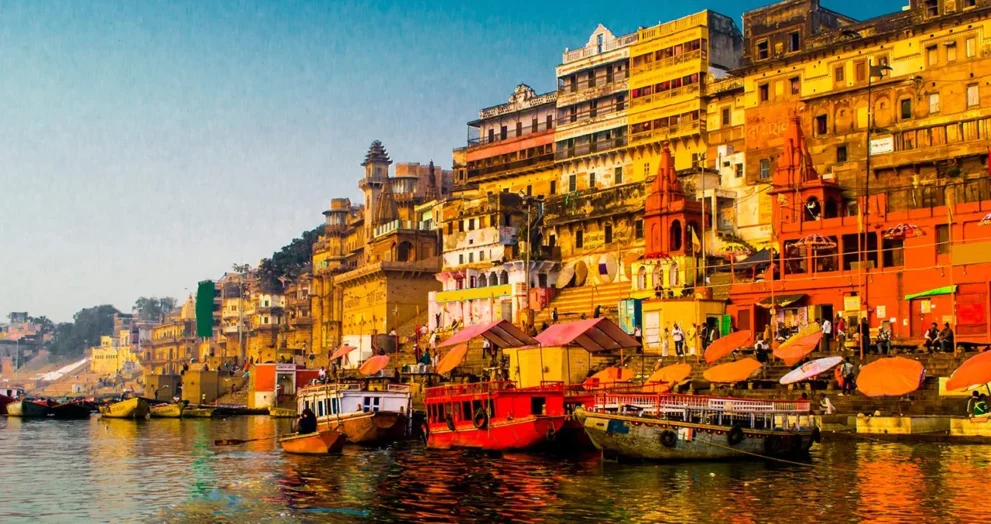
When the first light of dawn touches the ghats, the city wakes not to noise but to prayer. The Ganga shimmers, priests chant, bells echo and the world slows down. This is Banaras, where spirituality and simplicity merge. It is known to be an eternal city where time seems to pause, where chaos finds calm and where the soul finds its rhythm in the hum of mantras along the ghats. Take a morning boat ride on the river and you’ll see stories unfold: monks meditating, tourists in silence, locals performing rituals passed down for centuries. Each ghat tells a tale from Dashashwamedh’s grandeur to Assi’s calm. Beyond the ghats, the narrow lanes reveal the heartbeat of the city, street food stalls, hidden temples, laughing children and the smell of incense. As night falls, the Ganga Aarti paints the sky in gold and sound. For visitors, it’s mesmerizing. For locals, it’s home. Every corner of Kashi holds a story. Every prayer offered here carriers the weight of centuries. The city is ancient yet alive. Here, history. Mythology and faith converge that creates a sanctuary for the spirit. Kashi isn’t just a place you visit; it’s a feeling that stays long after you’ve left.

Banarasi saree

The Looms of Kashi: Threads of Legacy & Livelihood

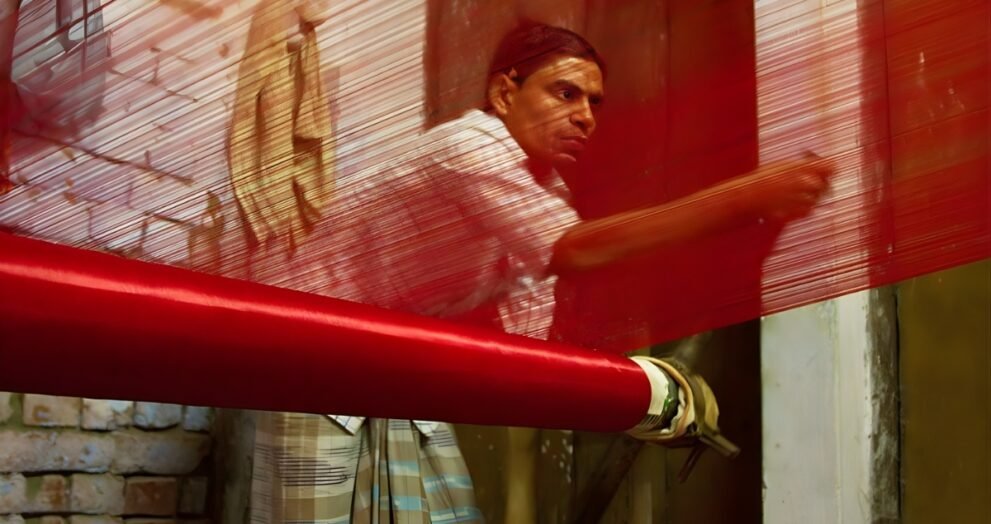
In the dim glow of an oil lamp, a rhythmic clatter echoes — tak-tak-tak. It’s the sound of a weaver’s life in Varanasi. Kashi’s weaving tradition dates back centuries, with references to its exquisite fabrics found in ancient texts like the Rig Veda and the Mahabharata. For centuries, the Banarasi saree has been India’s fabric of grace, worn in weddings and worship alike. Yet behind its shimmering zari lies the untold struggle of thousands of weavers. Documentary films like Bunkar have highlighted their plight but also their pride. NGOs and government schemes are trying to revive the art through training, digital sales and exhibitions. Each saree is a work of art that can take weeks, sometimes months to complete. Every motif from kalga to bel is a silent prayer woven into the thread. These artisans aren’t just weaving fabric; they are preserving the heritage. Every saree they create carries within it stories, emotions and timeless traditions. To own a Banarasi saree is to hold a piece of India’s soul which is a living legacy of art, culture and devotion passed from mother to daughter, generation to generation. Families in areas like Madanpura and Lallapura have carried this craft for generations. But as machine-made fabrics flooded markets, traditional handlooms began to fall silent. “I learnt weaving from my father when I was ten” says 56-year-old Mohammad Idris. “Now my sons don’t want to continue as there’s no stability.” Despite challenges, the loom keeps beating. Because in Banaras, weaving isn’t just a livelihood, it’s devotion woven into silk.

Banaras First Net-Zero Library

Banaras First Net-Zero Library: Where Tradition Meets Innovation

In a city known for its temples and timeless chants, a new temple of learning is taking shape that is powered not by faith but by sunlight. By 2026, Varanasi will host India’s first Net-Zero Library, a green-tech marvel where heritage design meets sustainability. This project is led by Varanasi Development Authority (VDA). It is located at the LT College campus; this library aims to create a fully self-sustaining educational space one that generates as much energy as it consumes. The architecture reflects the ethos of Kashi blending sandstone facades, jaali windows and open courtyards with solar panels, rainwater harvesting systems, energy efficient systems and passive cooling structures. Students and locals alike will have access to digital learning zones, archives of ancient manuscripts and a sustainable public space to read and reflect. It will have a seating capacity for 500 people with over 35,000 books. “We want to make Kashi a global example of how heritage and innovation can coexist beautifully” said a senior official from the Varanasi Development Authority. The project not only symbolizes India’s green future but also honors the ancient city’s tradition of wisdom, now reborn through modern design. The design of library is inspired by the sacred Ganga River and traditional temple aesthetics.

Shelter, Care & Hope for Stray Animals in Kashi

Himanshi’s Compassion: Shelter, Care & Hope for Stray Animals in Kashi

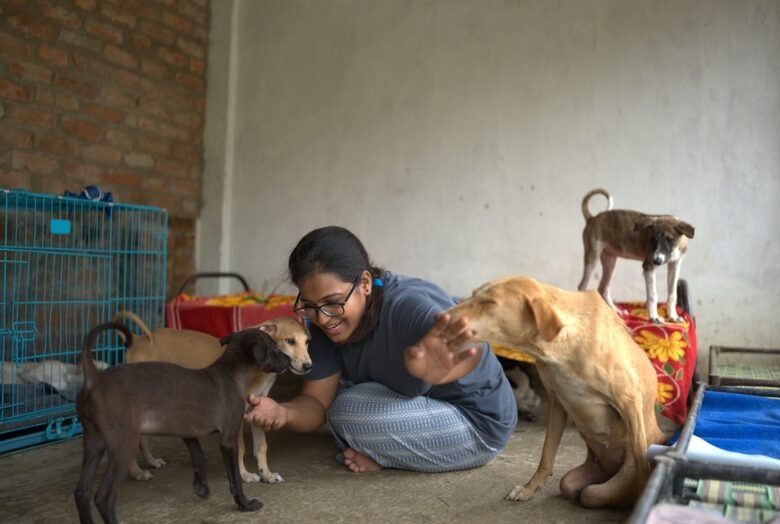
When others looked away from injured, abandoned or starving animals on the streets of Varanasi, Himanshi Pathak stopped and stayed. Five years ago, she founded Jeev Rakshak Animal Care Foundation, a shelter that has since become home to over 150 voiceless beings. From dogs hit by vehicles or abandoned on the streets, every rescue here begins with one call and a race against time. Himanshi and her team are feeding over 150 animals every single day, providing medical treatment to more than 50 strays and responding to emergency rescue calls. Her team of volunteers, though small is driven by the same compassion. “We can’t save everyone as the number of cases are increasing day by day and it’s becoming difficult for us to manage due to shortage of funds. I want to give them best care however, it’s expensive. We are trying our best, if you can come forward and support me, I can save more lives.” – Himanshi Pathak. But challenges persist rising medical costs, limited space and lack of funds. Still, her spirit doesn’t falter. Through community donations and awareness drives, she continues her mission. Impact: Her journey reminds us that service doesn’t always happen in temples sometimes; it’s found in a small shelter filled with wagging tails and second chances.

How Kashi is Healing Its Ghats

From Discarded Clothes to Eco Bags: How Kashi is Healing Its Ghats

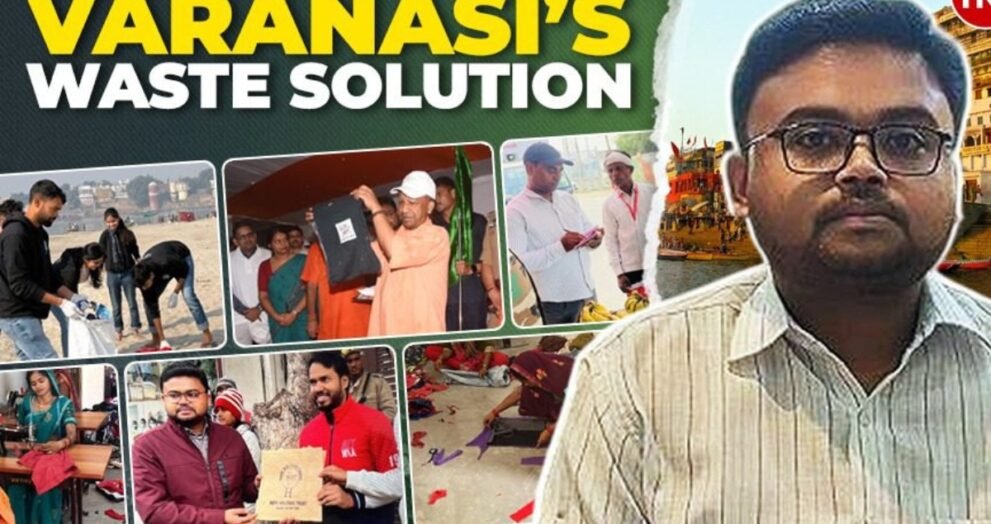
In the sacred city of Varanasi, where devotion meets the Ganga every single day through offerings, rituals and countless prayers. But beneath the beauty of the ghats lies an unnoticed challenge: the heaps of discarded clothes and fabrics left behind by devotees after rituals. When IAS officer Akshat Verma was posted in Varanasi, he noticed that these discarded clothes which was once part of someone’s faith now ended up polluting the river or piling up along the steps of the ghats. Instead of treating it as mere waste, he saw an opportunity for change. Through this Mission, he launched an initiative to collect, clean and repurpose these clothes. The fabrics were stitched into eco-friendly carry bags by women from local self-help groups. He teamed up with the Hope Welfare Foundation, their ‘Green Army’ helped the IAS officer set his plan into motion. “We wanted to make the ghats cleaner and empower local women at the same time,” he shared. Today, thousands of such bags are distributed to shopkeepers, replacing plastic and giving a second life to fabrics once left behind. Beyond the environmental benefit, the project has also become a livelihood source for dozens of women who now earn through stitching. These are not just bags they are stories of devotion, transformed into sustainability. Impact: As the Ganga flows endlessly, so does this circular journey from faith to fabric to future.